
Par 5, 510 yards

The classic risk-reward hole became more challenging with a new tee added in 2002. A slight draw is required to get into position for the second shot to the par-5, but a tributary of the creek catches shots that come up short.


![Rory McIlroy, Matt Parziale and Wesley Bryan from the 13th tee during the first practice round of the Masters Tournament at Augusta National Golf Club, Monday, April 2, 2018, in Augusta, Georgia. [ANDREW DAVIS TUCKER/THE AUGUSTA CHRONICLE]](https://augustaphotos.wpengine.com/wp-content/uploads/2018/11/60008.jpg "Rory McIlroy, Matt Parziale and Wesley Bryan from the 13th tee during the first practice round of the Masters Tournament at Augusta National Golf Club, Monday, April 2, 2018, in Augusta, Georgia. [ANDREW DAVIS TUCKER/THE AUGUSTA CHRONICLE]")


![Rory McIlroy putts on the #13 green during the Monday practice round of the Masters Tournament at Augusta National Golf Club, Monday, April 2, 2018, in Augusta, Georgia. [ANDREW DAVIS TUCKER/THE AUGUSTA CHRONICLE]](https://augustaphotos.wpengine.com/wp-content/uploads/2018/11/60050.jpg "Rory McIlroy putts on the #13 green during the Monday practice round of the Masters Tournament at Augusta National Golf Club, Monday, April 2, 2018, in Augusta, Georgia. [ANDREW DAVIS TUCKER/THE AUGUSTA CHRONICLE]")
![Rory McIlroy putts on the #13 green during the Monday practice round of the Masters Tournament at Augusta National Golf Club, Monday, April 2, 2018, in Augusta, Georgia. [ANDREW DAVIS TUCKER/THE AUGUSTA CHRONICLE]](https://augustaphotos.wpengine.com/wp-content/uploads/2018/11/60051.jpg "Rory McIlroy putts on the #13 green during the Monday practice round of the Masters Tournament at Augusta National Golf Club, Monday, April 2, 2018, in Augusta, Georgia. [ANDREW DAVIS TUCKER/THE AUGUSTA CHRONICLE]")
![Rory McIlroy putts on the #13 green during the Monday practice round of the Masters Tournament at Augusta National Golf Club, Monday, April 2, 2018, in Augusta, Georgia. [ANDREW DAVIS TUCKER/THE AUGUSTA CHRONICLE]](https://augustaphotos.wpengine.com/wp-content/uploads/2018/11/60052.jpg "Rory McIlroy putts on the #13 green during the Monday practice round of the Masters Tournament at Augusta National Golf Club, Monday, April 2, 2018, in Augusta, Georgia. [ANDREW DAVIS TUCKER/THE AUGUSTA CHRONICLE]")


![Shubhankar Sharma on the 13th hole during the second practice round of the Masters Tournament at Augusta National Golf Club, Tuesday, April 3, 2018, in Augusta, Georgia. [ANDREW DAVIS TUCKER/THE AUGUSTA CHRONICLE]](https://augustaphotos.wpengine.com/wp-content/uploads/2018/11/61863.jpg "Shubhankar Sharma on the 13th hole during the second practice round of the Masters Tournament at Augusta National Golf Club, Tuesday, April 3, 2018, in Augusta, Georgia. [ANDREW DAVIS TUCKER/THE AUGUSTA CHRONICLE]")
![Shubhankar Sharma plays his shot from the 13th tee during the second practice round of the Masters Tournament at Augusta National Golf Club, Tuesday, April 3, 2018, in Augusta, Georgia. [ANDREW DAVIS TUCKER/THE AUGUSTA CHRONICLE]](https://augustaphotos.wpengine.com/wp-content/uploads/2018/11/61864.jpg "Shubhankar Sharma plays his shot from the 13th tee during the second practice round of the Masters Tournament at Augusta National Golf Club, Tuesday, April 3, 2018, in Augusta, Georgia. [ANDREW DAVIS TUCKER/THE AUGUSTA CHRONICLE]")
![Justin Rose plays his shot from the 13th tee during the second practice round of the Masters Tournament at Augusta National Golf Club, Tuesday, April 3, 2018, in Augusta, Georgia. [ANDREW DAVIS TUCKER/THE AUGUSTA CHRONICLE]](https://augustaphotos.wpengine.com/wp-content/uploads/2018/11/61865.jpg "Justin Rose plays his shot from the 13th tee during the second practice round of the Masters Tournament at Augusta National Golf Club, Tuesday, April 3, 2018, in Augusta, Georgia. [ANDREW DAVIS TUCKER/THE AUGUSTA CHRONICLE]")
![Justin Rose on the 13th hole during the second practice round of the Masters Tournament at Augusta National Golf Club, Tuesday, April 3, 2018, in Augusta, Georgia. [ANDREW DAVIS TUCKER/THE AUGUSTA CHRONICLE]](https://augustaphotos.wpengine.com/wp-content/uploads/2018/11/61866.jpg "Justin Rose on the 13th hole during the second practice round of the Masters Tournament at Augusta National Golf Club, Tuesday, April 3, 2018, in Augusta, Georgia. [ANDREW DAVIS TUCKER/THE AUGUSTA CHRONICLE]")
![Dylan Frittelli crosses Rae's Creek on the 13th hole during the first round of the Masters Tournament at Augusta National Golf Club, Thursday, April 5, 2018, in Augusta, Georgia. [ANDY NELSON/THE AUGUSTA CHRONICLE]](https://augustaphotos.wpengine.com/wp-content/uploads/2018/11/63665.jpg "Dylan Frittelli crosses Rae's Creek on the 13th hole during the first round of the Masters Tournament at Augusta National Golf Club, Thursday, April 5, 2018, in Augusta, Georgia. [ANDY NELSON/THE AUGUSTA CHRONICLE]")
![Bryson DeChambeau drops on the 13th hole under the supervision of a rules official during the first round of the Masters Tournament at Augusta National Golf Club, Thursday, April 5, 2018, in Augusta, Georgia. [ANDY NELSON/THE AUGUSTA CHRONICLE]](https://augustaphotos.wpengine.com/wp-content/uploads/2018/11/63668.jpg "Bryson DeChambeau drops on the 13th hole under the supervision of a rules official during the first round of the Masters Tournament at Augusta National Golf Club, Thursday, April 5, 2018, in Augusta, Georgia. [ANDY NELSON/THE AUGUSTA CHRONICLE]")
![Bryson DeChambeau drops on the 13th hole under the supervision of a rules official during the first round of the Masters Tournament at Augusta National Golf Club, Thursday, April 5, 2018, in Augusta, Georgia. [ANDY NELSON/THE AUGUSTA CHRONICLE]](https://augustaphotos.wpengine.com/wp-content/uploads/2018/11/63671.jpg "Bryson DeChambeau drops on the 13th hole under the supervision of a rules official during the first round of the Masters Tournament at Augusta National Golf Club, Thursday, April 5, 2018, in Augusta, Georgia. [ANDY NELSON/THE AUGUSTA CHRONICLE]")
![Dylan Frittelli crosses Rae's Creek on the 13th hole during the first round of the Masters Tournament at Augusta National Golf Club, Thursday, April 5, 2018, in Augusta, Georgia. [ANDY NELSON/THE AUGUSTA CHRONICLE]](https://augustaphotos.wpengine.com/wp-content/uploads/2018/11/63672.jpg "Dylan Frittelli crosses Rae's Creek on the 13th hole during the first round of the Masters Tournament at Augusta National Golf Club, Thursday, April 5, 2018, in Augusta, Georgia. [ANDY NELSON/THE AUGUSTA CHRONICLE]")
![The green at #13 during the Friday round of the Masters Tournament at Augusta National Golf Club, Friday, April 6, 2018, in Augusta, Georgia. [ANDREW DAVIS TUCKER/THE AUGUSTA CHRONICLE]](https://augustaphotos.wpengine.com/wp-content/uploads/2018/11/63848.jpg "The green at #13 during the Friday round of the Masters Tournament at Augusta National Golf Club, Friday, April 6, 2018, in Augusta, Georgia. [ANDREW DAVIS TUCKER/THE AUGUSTA CHRONICLE]")
![The green at #13 during the Friday round of the Masters Tournament at Augusta National Golf Club, Friday, April 6, 2018, in Augusta, Georgia. [ANDREW DAVIS TUCKER/THE AUGUSTA CHRONICLE]](https://augustaphotos.wpengine.com/wp-content/uploads/2018/11/63851.jpg "The green at #13 during the Friday round of the Masters Tournament at Augusta National Golf Club, Friday, April 6, 2018, in Augusta, Georgia. [ANDREW DAVIS TUCKER/THE AUGUSTA CHRONICLE]")
![The green at #16 during the Friday round of the Masters Tournament at Augusta National Golf Club, Friday, April 6, 2018, in Augusta, Georgia. [ANDREW DAVIS TUCKER/THE AUGUSTA CHRONICLE]](https://augustaphotos.wpengine.com/wp-content/uploads/2018/11/63852.jpg "The green at #16 during the Friday round of the Masters Tournament at Augusta National Golf Club, Friday, April 6, 2018, in Augusta, Georgia. [ANDREW DAVIS TUCKER/THE AUGUSTA CHRONICLE]")
![Grounds crew work on #13 during the Friday round of the Masters Tournament at Augusta National Golf Club, Friday, April 6, 2018, in Augusta, Georgia. [ANDREW DAVIS TUCKER/THE AUGUSTA CHRONICLE]](https://augustaphotos.wpengine.com/wp-content/uploads/2018/11/63856.jpg "Grounds crew work on #13 during the Friday round of the Masters Tournament at Augusta National Golf Club, Friday, April 6, 2018, in Augusta, Georgia. [ANDREW DAVIS TUCKER/THE AUGUSTA CHRONICLE]")
![The #12 green and #13 tee during the Friday round of the Masters Tournament at Augusta National Golf Club, Friday, April 6, 2018, in Augusta, Georgia. [ANDREW DAVIS TUCKER/THE AUGUSTA CHRONICLE]](https://augustaphotos.wpengine.com/wp-content/uploads/2018/11/63861.jpg "The #12 green and #13 tee during the Friday round of the Masters Tournament at Augusta National Golf Club, Friday, April 6, 2018, in Augusta, Georgia. [ANDREW DAVIS TUCKER/THE AUGUSTA CHRONICLE]")
![The #13 approach during the Friday round of the Masters Tournament at Augusta National Golf Club, Friday, April 6, 2018, in Augusta, Georgia. [ANDREW DAVIS TUCKER/THE AUGUSTA CHRONICLE]](https://augustaphotos.wpengine.com/wp-content/uploads/2018/11/63864.jpg "The #13 approach during the Friday round of the Masters Tournament at Augusta National Golf Club, Friday, April 6, 2018, in Augusta, Georgia. [ANDREW DAVIS TUCKER/THE AUGUSTA CHRONICLE]")
![The #12 green and #13 tee during the Friday round of the Masters Tournament at Augusta National Golf Club, Friday, April 6, 2018, in Augusta, Georgia. [ANDREW DAVIS TUCKER/THE AUGUSTA CHRONICLE]](https://augustaphotos.wpengine.com/wp-content/uploads/2018/11/63867.jpg "The #12 green and #13 tee during the Friday round of the Masters Tournament at Augusta National Golf Club, Friday, April 6, 2018, in Augusta, Georgia. [ANDREW DAVIS TUCKER/THE AUGUSTA CHRONICLE]")
![The #12 green and #13 tee during the Friday round of the Masters Tournament at Augusta National Golf Club, Friday, April 6, 2018, in Augusta, Georgia. [ANDREW DAVIS TUCKER/THE AUGUSTA CHRONICLE]](https://augustaphotos.wpengine.com/wp-content/uploads/2018/11/63868.jpg "The #12 green and #13 tee during the Friday round of the Masters Tournament at Augusta National Golf Club, Friday, April 6, 2018, in Augusta, Georgia. [ANDREW DAVIS TUCKER/THE AUGUSTA CHRONICLE]")


Hole story

Significant changes since opening
- Tee moved back 20-25 yards, 2002
About the plant
- Flowering shrub - Hundreds of varieties (deciduous and evergreen); plant assortment to extend floral display from February to October
- Colors vary; tubular flowers with long stamens; evergreens are most colorful Spot it on the course
Where and how the plant grows
- Georgia's native azalea has yellow flowers.
- Size varies; can grow up to 8 feet high and 10 feet wide
- Filtered shade, morning sun
- Acidic, well-drained soil
- Low drought tolerance - Propagation by seed or cuttings
- Plant in fall; prune after blooming


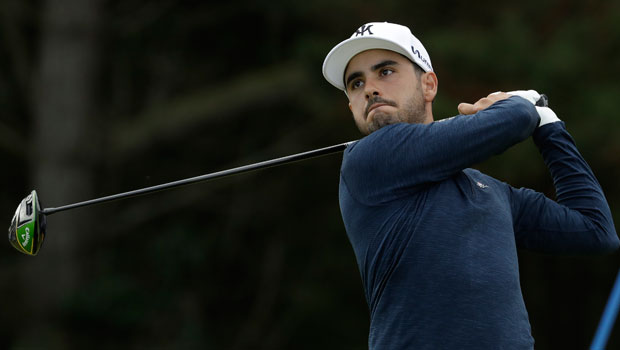 Abraham Ancer
 Daniel Berger
 Christiaan Bezuidenhout
 Sam Burns
 Patrick Cantlay
 Cameron Champ
 Stewart Cink
 Corey Conners
 Fred Couples
 Cameron Davis
 Bryson DeChambeau
 Tony Finau
 Matthew Fitzpatrick
 Tommy Fleetwood
 Sergio Garcia
 Lucas Glover
 Talor Gooch
 Austin Greaser
 Stewart Hagestad
 Brian Harman
 Padraig Harrington
 Tyrrell Hatton
 Russell Henley
 Lucas Herbert
 Garrick Higgo
 Harry Higgs
 Tom Hoge
 Max Homa
 Billy Horschel
 Viktor Hovland
 Mackenzie Hughes
 Sungjae Im
 Aaron Jarvis
 Dustin Johnson
 Zach Johnson
 Takumi Kanaya
 Si Woo Kim
 Kevin Kisner
 Brooks Koepka
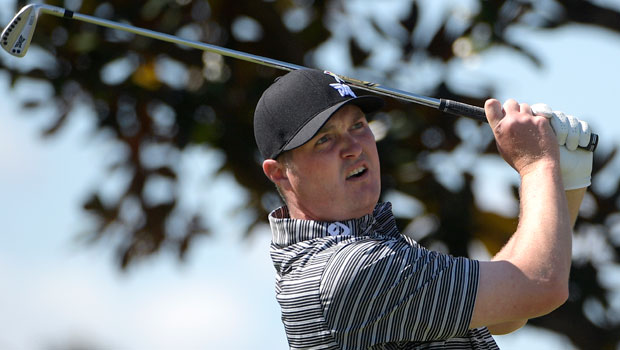 Jason Kokrak
 Bernhard Langer
 K.H. Lee
 Min Woo Lee
 Marc Leishman
 Luke List
 Shane Lowry
 Sandy Lyle
 Robert MacIntyre
 Hideki Matsuyama
 Rory McIlroy
 Guido Migliozzi
 Larry Mize
 Francesco Molinari
 Collin Morikawa
 Kevin Na
 Keita Nakajima
 Joaquin Niemann
 Jose Maria Olazabal
 Louis Oosthuizen
 Ryan Palmer
 Thomas Pieters
 James Piot
 Seamus Power
 Jon Rahm
 Patrick Reed
 Justin Rose
 Xander Schauffele
 Scottie Scheffler
 Charl Schwartzel
 Adam Scott
 Laird Shepherd
 Webb Simpson
 Vijay Singh
 Cameron Smith
 Jordan Spieth
 Sepp Straka
 Hudson Swafford
 Justin Thomas
 Erik van Rooyen
 Bubba Watson
 Mike Weir
 Lee Westwood
 Danny Willett
 Matthew Wolff
 Gary Woodland
 Tiger Woods
 Will Zalatoris